



When we talk about pigmentation, the conversation almost always turns to the face. But dark spots and uneven tone don't stop at the jawline. Sun-exposed body skin shows the same signs of sun damage, often more visibly, because it's the skin we protect least.
What Is Pigmentation?
Pigmentation is a build-up of melanin, the pigment responsible for skin color. When skin produces excess melanin in certain areas, it shows up as patches or spots that are darker than the surrounding skin.
Sun spots (also called age spots or solar lentigines) form after repeated UV exposure triggers melanin-producing cells into overdrive. Post-inflammatory marks are different. They're the skin's response to injury or irritation, such as a healed blemish, insect bite or cut, left behind as a temporary shadow of color.
Dr Alexis Granite, Joonbyrd's founder, explains: "Pigmentation occurs when the skin produces excess melanin. While genetics play a role, the most common triggers are UV exposure, hormonal changes, inflammation and minor skin injuries."
Why Body Skin Gets Pigmentation, Especially in Summer
UV exposure is the single biggest trigger for pigmentation, and summer months mean more skin on show and more cumulative sun exposure. Areas that catch regular sun (the chest, shoulders, hands and legs) are where pigmentation tends to become most noticeable over time.
It isn't only sun that can leave a mark. Friction, shaving and old blemishes can all trigger post-inflammatory pigmentation.
The goal isn't erasing every mark, it's supporting healthier, more vibrant skin.
Ingredients That Help Fade and Prevent Pigmentation
- Niacinamide: helps interrupt the transfer of pigment to the skin's surface, supporting a more even tone over time.
- Vitamin C and antioxidants: help brighten while defending against free radical damage that can worsen pigmentation.
- Exfoliating acids: support healthy cell turnover, helping pigmented cells shed and reveal fresher skin beneath.
- Daily SPF: the single biggest preventative lever. No amount of brightening or exfoliating can outpace new pigmentation forming without daily sun protection.
"Daily sun protection is the most important step in preventing new pigmentation from developing and existing marks from becoming darker," Dr Alexis Granite.
How to Even Body Skin Tone
Pigmentation forms over months or years, and it fades on a similar timeline. Consistency matters more than intensity. A routine used most days for several months will always outperform an intense burst of product use for a limited period.
Layering actives in the right order also matters: cleanse, exfoliate, treat with targeted serums, then hydrate and protect. Skipping steps, or applying exfoliating acids and rich moisturizers in the wrong sequence, can reduce how well each product performs.
The Joonbyrd Approach
Our targeted body care routines are designed to support visibly healthier, more even-looking skin.
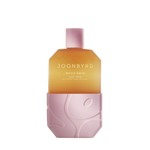
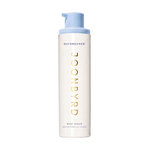
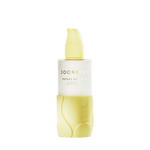
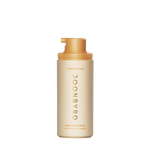
Smooth: Violet Haze Polishing Body Scrub gently buffs away dead skin cells with chia seeds and creamy sugar granules, supported by skin-loving niacinamide, to reveal softer, more receptive skin ahead of treatment.
Treat: Kaleidoscope Smoothing Body Serum combines shikimic and azelaic acids with brightening licorice root to support cell turnover and visibly reduce the appearance of dark spots and pigmentation, while blueberry seed oil shields against further blue light and free radical damage.
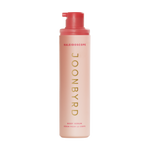
Hydrate and protect: Follow with Little Love Nourishing Body Lotion, fortified with niacinamide to improve the look of uneven tone and texture, then finish with a daily broad-spectrum SPF to lock in results and prevent new pigmentation from forming.
When to See a Professional
Most sun spots and post-inflammatory marks are harmless and respond well to a consistent routine. However, any new spot, changing in size, shape or color, or behaving differently to the skin around it should always be checked by a GP or dermatologist.
Mistakes to Avoid
- Skipping SPF while treating pigmentation: active ingredients can increase sun sensitivity, and unprotected skin will simply re-pigment.
- Over-exfoliating: more isn't better; over-exfoliated skin becomes irritated, which can trigger further post-inflammatory pigmentation.
- Expecting overnight fading: pigmentation forms slowly and fades slowly; give any routine 8-12 weeks before judging results.
- Picking or scrubbing at marks: this irritates the skin and is one of the most common causes of new post-inflammatory pigmentation.