



Smooth body skin isn’t simply a matter of exfoliating more. Rough, bumpy or uneven texture can have a number of causes, from dehydration and dead skin cell build-up to keratosis pilaris, folliculitis and cumulative sun damage. Understanding what is driving the texture is the first step towards treating it effectively.
Body skin also has its own distinct needs. The skin varies considerably across the body in thickness, oil production, hair follicles and exposure to friction, yet it has historically received a fraction of the attention given to facial skin.
At Joonbyrd, our approach is rooted in four fundamental steps: cleanse, exfoliate, treat and hydrate. Rather than treating roughness aggressively, the aim is to support healthy skin function while targeting the underlying cause of uneven texture. Consistency matters far more than intensity.
What Causes Rough or Bumpy Skin?
There isn’t one universal cause of rough skin. These are some of the most common:
Dead skin cell build-up. Skin is constantly renewing itself. When dead cells accumulate at the surface rather than shedding effectively, skin can begin to look dull and feel rough or uneven. Gentle exfoliation helps lift this build-up and reveal smoother skin beneath.
Dehydration and dryness. Although often used interchangeably, dry and dehydrated skin are not quite the same. Dehydrated skin lacks water, while dry skin lacks sufficient oil or lipids. Body skin can be particularly prone to dryness, especially on areas such as the arms and lower legs. Hot showers, harsh cleansers, cold weather and central heating can all exacerbate it.
Keratosis pilaris. Those small, persistent bumps commonly found on the upper arms and thighs are often keratosis pilaris, or KP. They develop when keratin accumulates around the opening of the hair follicle. KP is extremely common and often genetic, but its appearance can be significantly improved with consistent exfoliation and hydration. Aggressive scrubbing can actually make matters worse by increasing irritation and inflammation.
Folliculitis and ingrown hairs. Not every bump is KP. Folliculitis is inflammation around the hair follicle and can appear as small red or pustular bumps, particularly after shaving, waxing, sweating or friction. Ingrown hairs occur when hair becomes trapped beneath or grows back into the skin. Gentle chemical exfoliation can help, while persistent or painful folliculitis should be assessed by a dermatologist.
Sun damage. UV exposure doesn’t only contribute to pigmentation and fine lines. Over time, it can also alter skin texture, contributing to roughness, dryness and unevenness. This is why sun protection is an important part of caring for body skin, particularly across exposed areas such as the chest, shoulders, arms and hands.
The Joonbyrd Routine for Smoother Skin
The foundation of smoother, healthier-looking body skin is deceptively simple: cleanse, exfoliate, treat and hydrate.
1. Cleanse Without Stripping
Skin shouldn’t feel tight or “squeaky clean” after a shower. That sensation can be a sign that cleansing has removed too much of the skin’s natural lipid barrier.
Choose a gentle body cleanser and keep shower water warm rather than very hot, as prolonged exposure to hot water can contribute to dryness and barrier disruption.
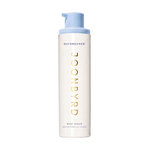
Moon Swim Hydrating Body Wash takes a skincare-first approach to cleansing, combining hyaluronic acid, prebiotic inulin, vitamin E and adaptogenic ashwagandha in a gentle gel-to-foam formula designed to cleanse while supporting hydration and the skin barrier.
2. Exfoliate Intelligently
Exfoliation can make a significant difference to body texture, but more is not always better.
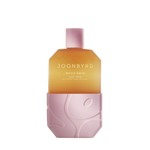
Physical exfoliation lifts loosened cells from the skin’s surface, helping skin feel immediately softer and smoother. Violet Haze Polishing Body Scrub combines creamy sugar granules and chia seeds with niacinamide, plant butters and Siberian ginseng to balance exfoliation with nourishment.
Chemical exfoliants work differently, helping to loosen the bonds between dead surface cells. Ingredients including lactic, glycolic, azelaic and shikimic acids can be particularly useful for persistent roughness, keratosis pilaris, ingrown hairs and post-inflammatory marks.
For most skin, exfoliating once or twice a week is a sensible starting point, adjusting frequency according to skin type, the area being treated and any other exfoliating actives in the routine.
3. Treat the Concern
This is where body care begins to look much more like facial skincare.
Rather than relying on cleansing and moisturizing alone, a targeted body serum can deliver actives selected for specific concerns such as rough texture, pigmentation, blemishes or loss of firmness.
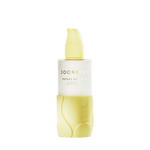
For rough, bumpy skin and keratosis pilaris, Kaleidoscope Smoothing Body Serum combines shikimic and azelaic acids with licorice root and blueberry seed oil in a lightweight serum developed specifically for body skin. In clinical testing, Kaleidoscope was shown to improve the appearance of keratosis pilaris and reduce transepidermal water loss within six weeks.
4. Hydrate and Support the Skin Barrier
Exfoliation is only half the equation. Rough skin often needs considerably more hydration and barrier support than it receives.
Look for formulas that combine humectants, which attract and bind water, with emollient and lipid-rich ingredients that help soften the skin and reduce moisture loss.
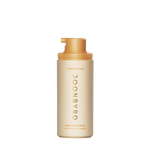
Little Love Nourishing Body Lotion combines 14 active and botanical ingredients and is clinically proven to provide hydration for up to 48 hours.
For skin craving something richer, Sunday Sofa Rejuvenating Body Butter combines shea butter, hyaluronic acid and rambutan leaf and is clinically proven to improve the appearance of skin firmness and elasticity.
Apply body care shortly after bathing, ideally while the skin is still slightly damp, to help lock in hydration.
5. Protect With SPF
Sun protection shouldn’t stop at the face.
Daily broad-spectrum SPF helps protect exposed body skin against UV damage that can contribute to pigmentation, roughness and premature signs of skin aging. Pay particular attention to areas that receive incidental exposure throughout the year, including the chest, shoulders, arms and hands.
Chemical vs Physical Exfoliation for the Body
One isn’t inherently better than the other. Physical and chemical exfoliation simply work in different ways.
Physical exfoliation uses a scrub, mitt or brush to lift loosened cells from the skin’s surface. The effect is immediate, making it particularly useful for dull or flaky skin and as part of preparation for hair removal.
The key is to avoid the temptation to scrub harder when skin feels particularly rough. This is especially important with keratosis pilaris, where aggressive physical exfoliation can increase irritation rather than improving the underlying follicular plugging.
Chemical exfoliation uses acids and other keratolytic ingredients to encourage dead surface cells to shed more effectively.
Some of the most useful ingredients for body skin include:
-
Lactic acid, an alpha hydroxy acid that exfoliates while also offering humectant properties, making it particularly useful for dry or easily irritated skin.
-
Glycolic acid, an alpha hydroxy acid frequently used to improve rough, thickened and photodamaged skin.
-
Azelaic acid, which can help improve uneven texture and post-inflammatory pigmentation while also offering anti-inflammatory benefits.
-
Shikimic acid, a gentle exfoliating acid that can help improve rough, uneven skin texture.
-
Urea, which has both hydrating and keratolytic properties and can be particularly useful for very dry, rough or keratosis pilaris-prone skin.
It is possible to use both physical and chemical exfoliation within the same routine, but skin should guide the frequency.
Stinging when applying otherwise gentle products, increased sensitivity, persistent redness or skin that feels unusually tight can all be signs that the barrier has been pushed too far. When this happens, pause exfoliating actives and focus on gentle cleansing and hydration until the skin has settled.
How to Get Smooth Skin on Your Legs, Arms and Thighs
Body skin isn’t uniform, so the way it is treated shouldn’t necessarily be either.
Legs and Hair Removal
Shaving and waxing already place additional stress on the skin, so avoid combining hair removal with aggressive exfoliation on the same day.
Exfoliating in advance can help remove dead surface cells and reduce the likelihood of hairs becoming trapped beneath the skin. After shaving or waxing, focus on gentle cleansing and hydration before gradually reintroducing stronger acids or exfoliating actives.
Ingrown Hairs
Ingrown hairs develop when hair curls back into or becomes trapped beneath the skin rather than emerging normally from the follicle.
Consistent gentle exfoliation can help prevent dead skin from obstructing the follicle. Avoid picking or squeezing ingrown hairs, as this increases inflammation and can leave post-inflammatory pigmentation that persists long after the original bump has disappeared.
Upper Arms
The upper arms are one of the most common sites for keratosis pilaris.
Rather than repeatedly scrubbing the bumps, combine gentle exfoliation with targeted ingredients and consistent hydration. KP takes time to improve, so give a routine several weeks before judging the result.
Backs of the Thighs
The backs of the thighs are easily overlooked and are also exposed to considerable friction from clothing and sitting.
A combination of gentle exfoliation, targeted treatment and regular moisturizing can help. If the area remains particularly dry, a richer body butter may be more appropriate than a lightweight lotion.
Chest, Neck and Hands
These areas tend to receive significant incidental UV exposure and can also be more reactive than thicker areas of body skin.
Avoid over-exfoliating and be particularly diligent with broad-spectrum SPF when the skin is exposed.
How Long Does It Take to Get Smooth Skin?
How quickly skin becomes smoother depends on what is causing the texture in the first place.
Surface dryness and dehydration can begin to improve relatively quickly once cleansing and moisturizing habits change.
Dead skin cell build-up may also begin to feel smoother within the first few weeks of consistent exfoliation and hydration.
Keratosis pilaris requires more patience. Think in terms of skin cycles rather than days. Kaleidoscope Smoothing Body Serum, for example, was clinically tested over six weeks for improvements in the appearance of KP.
Ingrown hairs and the pigmentation they can leave behind may take longer, particularly when inflammation has triggered post-inflammatory hyperpigmentation.
Texture caused by cumulative sun damage can also take months to improve and may not respond fully to topical skincare alone, which is why prevention remains so important.
There are also limits to what topical products can achieve. Skincare cannot change the number or structure of hair follicles, eliminate a genetic tendency towards keratosis pilaris or completely remodel established scarring.
Any area of rough or textured skin that appears suddenly, changes, persists despite appropriate care or is associated with significant itching, pain or inflammation should be assessed by a dermatologist.
What Dr Alexis Recommends
One of the most common patterns Dr Alexis sees in clinic is plenty of exfoliation and not nearly enough hydration.
Her approach to smoother body skin follows the same four-step philosophy at the heart of Joonbyrd: cleanse, exfoliate, treat and hydrate.
And one of the simplest changes is also one of the most overlooked: turn down the temperature of the shower.
Very hot water can strip the skin of natural lipids and exacerbate dryness. A warm, shorter shower followed by targeted body care while the skin is still slightly damp can make a significant difference to the way skin looks and feels.
Consistency matters more than intensity. Body skin responds best when it is treated regularly rather than aggressively.
Dr Alexis Granite is a dual UK and US board-certified dermatologist with nearly two decades of clinical experience and the founder of Joonbyrd. She created Joonbyrd around the belief that the skin below the chin deserves the same level of science, innovation and attention traditionally reserved for the face.
Shop Our Smoothing Body Care
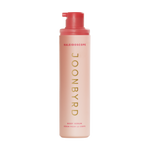
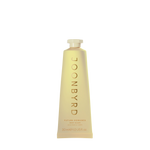
Kaleidoscope Smoothing Body Serum is Joonbyrd’s targeted treatment for rough, bumpy and uneven body skin, formulated with shikimic and azelaic acids alongside licorice root and blueberry seed oil.
Violet Haze Polishing Body Scrub combines physical exfoliation with nourishing plant butters, niacinamide and adaptogenic Siberian ginseng to leave skin feeling polished and smooth.
Together, they form part of a complete approach to smoothing body skin.
Frequently Asked Questions
How Do You Get Smooth Skin?
Start by identifying what is causing the roughness. For most skin, a consistent routine of gentle cleansing, regular exfoliation, targeted treatment and daily hydration can significantly improve texture.
Apply body care after bathing while skin is still slightly damp and use broad-spectrum SPF on exposed areas to help prevent further UV-related changes.
How Often Should You Exfoliate Your Body?
For most people, once or twice a week is a sensible starting point for physical exfoliation. Chemical exfoliants may be used at different frequencies depending on the ingredients, strength of the formula and individual skin tolerance.
More exfoliation does not necessarily mean smoother skin. Over-exfoliating can compromise the skin barrier and ultimately make roughness and sensitivity worse.
Why Is My Skin Rough Even When I Moisturize?
Moisturizer alone may not address the underlying cause of roughness.
Dead skin cell build-up, keratosis pilaris, follicular plugging and dehydration can all contribute to uneven texture. A routine combining appropriate exfoliation with humectants, emollients and barrier-supporting ingredients may therefore be more effective than moisturizing alone.
How Do You Get Smooth Legs?
Regular gentle exfoliation can help prevent dead skin cell build-up and ingrown hairs. Avoid aggressive exfoliation immediately after shaving or waxing, and it’s important to moisturize after bathing to support the skin barrier.
For persistent roughness, a targeted chemical exfoliant can be incorporated between hair-removal days.
Does Dry Brushing Work?
Dry brushing provides physical exfoliation, helping to lift loose surface cells so skin may temporarily feel smoother and look brighter.
Dry brushing does not treat the underlying follicular plugging involved in keratosis pilaris and there is limited evidence to support some of the broader claims made around dry brushing, including its ability to reduce cellulite.
If dry brushing is part of a ritual you enjoy, keep the pressure gentle and avoid using it over irritated, inflamed or sensitized skin.
How Long Until Skin Feels Smoother?
Simple dryness and surface roughness may begin to improve within a few weeks. Concerns such as keratosis pilaris and post-inflammatory pigmentation generally require longer-term, consistent treatment.
The aim isn’t perfectly smooth skin overnight. It is healthier, better-supported body skin over time.
Cleanse. Exfoliate. Treat. Hydrate. Four simple steps that bring the same science and consistency to the 96% of skin below the chin that have long been given to the face.