



Ceramides are fundamental to healthy skin. Naturally present within the outermost layer of the skin, ceramides are lipids that make up a significant proportion of the skin barrier. Together with cholesterol and fatty acids, they help hold skin cells together, retain moisture and protect against external stressors.
When ceramide levels are depleted, the skin barrier can become less effective. The result can be skin that feels dry, tight, sensitive and more reactive.
This makes ceramides particularly relevant to body skin, where frequent washing, friction, environmental exposure and inconsistent moisturizing can all contribute to barrier disruption.
What Do Ceramides Do for Your Skin?
The outermost layer of the skin, known as the stratum corneum, is often compared to a brick wall.
The skin cells are the bricks. Ceramides, cholesterol and fatty acids form part of the lipid-rich “mortar” surrounding them.
When this structure is functioning effectively, it helps keep water within the skin while limiting the penetration of potential irritants from the outside world.
When the barrier becomes disrupted, water can escape more readily through the skin - a process known as transepidermal water loss, or TEWL. Skin may begin to feel tight, rough or uncomfortable and can become more susceptible to irritation.
Ceramides therefore play several important roles in the skin:
1. Supporting healthy skin barrier function
2. Helping reduce moisture loss
3. Supporting hydration
4. Improving the feel of dry, rough skin
5. Helping protect the skin against external stressors
Ceramide levels and skin barrier function can be influenced by a number of factors, including age, hormonal changes, climate, frequent washing and the use of harsh or overly aggressive skincare.
Often, the first signs of a compromised barrier are felt rather than seen: tightness after showering, increased sensitivity or products that suddenly sting when they previously felt comfortable.
Why Ceramides Matter for Body Skin
Around 96% of our skin sits below the chin, yet conversations around skin barrier health have traditionally focused almost exclusively on the face.
Body skin has its own set of challenges.
Sebaceous gland density varies considerably across the body, with areas such as the lower legs producing significantly less sebum than the face. Body skin is also regularly exposed to hot water, cleansers, shaving, clothing and friction - all of which can contribute to dryness and barrier disruption.
And while elaborate facial skincare routines have become commonplace, the body is still often given little more than a quick cleanse and occasional moisturizer.
This helps explain why dryness, flaking and tightness are so common across areas such as the shins, arms and hands.
Supporting the skin barrier is therefore just as important below the chin as it is above it.
Ceramides vs Hyaluronic Acid vs Glycerin
Ceramides, hyaluronic acid and glycerin are often grouped together as “hydrating ingredients,” but they perform different roles within the skin.
Ceramides: Support the skin barrier and help reduce moisture loss. Useful for dry, sensitive or barrier-compromised skin.
Hyaluronic acid: Attracts and binds water within the skin. Useful for dehydration and temporary plumping.
Glycerin: Draws water into the outer layers of the skin and supports hydration. Useful for everyday hydration across a wide range of skin types
Rather than choosing between them, the most effective approach is often to combine different categories of moisturizing ingredients.
Humectants such as glycerin and hyaluronic acid attract water. Emollients soften and smooth the skin. Occlusive ingredients help slow water loss. Ceramides and other physiological lipids help support the structure and function of the skin barrier itself.
This is why well-formulated moisturizers often contain several of these ingredient types rather than relying on a single hero ingredient.
How to Use Ceramides
Ceramides are particularly easy to incorporate into a skincare routine because they do not require the same acclimatization as ingredients such as retinoids or exfoliating acids.
They are most commonly found in moisturizers, lotions, creams and barrier-supporting treatments and can generally be used every day.
For body skin, apply a ceramide-containing moisturizer after bathing or showering, ideally while the skin is still slightly damp. This helps combine the water already present at the skin's surface with ingredients designed to help retain it.
Ceramides can also be used alongside active ingredients including retinoids and exfoliating acids. In fact, supporting the skin barrier can be particularly important when using actives that have the potential to cause dryness or irritation.
If skin becomes persistently red, uncomfortable or begins to sting, simplify the routine temporarily and focus on gentle cleansing and moisturizing until the barrier has recovered.
What Ingredients Work Well With Ceramides?
Ceramides rarely need to work alone. Some of the most useful ingredients to look for alongside them include:
Niacinamide. Niacinamide can support skin barrier function and the skin’s natural production of ceramides while also helping improve uneven tone.
Panthenol. Also known as provitamin B5, panthenol is a humectant with soothing properties that can help support hydration and skin comfort.
Colloidal oatmeal. Particularly useful for dry, sensitive or eczema-prone skin, colloidal oatmeal can help soothe irritation while supporting the skin barrier.
Cholesterol and fatty acids. These lipids occur naturally alongside ceramides within the stratum corneum and can complement ceramides within barrier-supporting formulations.
Hyaluronic acid and glycerin. Both are humectants that attract water into the upper layers of the skin, making them useful partners for ingredients designed to help reduce subsequent moisture loss.
Who Can Benefit From Ceramides?
Ceramides can be used across skin types, but there are certain situations in which barrier support becomes particularly important.
Dry and Dehydrated Skin
Dry and dehydrated skin are not quite the same thing.
Dry skin is lacking in oil or lipids, while dehydrated skin lacks water. Ceramides are particularly useful where dryness and barrier disruption are part of the picture, while humectants such as glycerin and hyaluronic acid help address dehydration.
Many people experience both simultaneously, which is why combining humectants and lipids can be so effective.
Eczema-Prone Skin
Alterations in the skin barrier and ceramide composition are well recognized in atopic dermatitis.
Ceramide-containing moisturizers can form part of supportive skincare for eczema-prone skin, helping address dryness and barrier dysfunction alongside any treatment recommended by a dermatologist.
Persistent, severe or infected eczema should always be medically assessed.
Over-Exfoliated Skin
Exfoliating acids, retinoids and physical exfoliation can all be valuable, but excessive use can disrupt the skin barrier.
If skin begins to sting, feel unusually tight or become more reactive, reduce potentially irritating actives and focus on gentle cleansing, hydration and barrier support.
Skin During Perimenopause and Menopause
Hormonal changes during perimenopause and menopause can affect multiple aspects of skin physiology, including hydration, lipid production, collagen and barrier function.
As skin becomes drier, ingredients that support both hydration and the lipid barrier can become increasingly useful.
Rather than focusing solely on firmness, a well-rounded approach to skin aging should consider barrier health, hydration, texture and resilience too.
Hands
Hands are exposed to frequent washing, sanitizer, environmental changes and everyday friction, making barrier support particularly important.
Regular application of a well-formulated hand treatment containing humectants, emollients and barrier-supporting lipids can help counteract this repeated exposure.
What Dr Alexis Looks for in a Ceramide Formula
Not all ceramide products are formulated in the same way.
Dr Alexis Granite, dual UK and US board-certified dermatologist and founder of Joonbyrd, looks beyond the presence of “ceramides” on the front of the pack.
Ceramides naturally exist within the skin alongside cholesterol and free fatty acids, so the overall composition of a formula matters.
Multiple ceramide types can also be incorporated into skincare formulations, alongside complementary ingredients such as phytosphingosine, cholesterol, fatty acids, humectants and niacinamide.
The percentage of a single ceramide is therefore only one part of the picture. How the formula brings together different lipids and hydrating ingredients - and how the finished product performs - matters more than focusing on one ingredient in isolation.
Ceramides in Joonbyrd Formulations
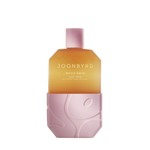
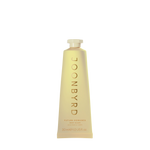
Wonder·Land Fortifying Hand Lotion brings together three types of ceramides with phytosphingosine and cholesterol to support the skin barrier and help reduce moisture loss.
The formula also combines amino acids, niacinamide, hyaluronic acid, prebiotic inulin and adaptogenic Rhodiola rosea to support hydration and skin resilience.
Clinically proven to moisturize for up to 48 hours, Wonder·Land was created for an area of skin that is particularly vulnerable to repeated washing, environmental exposure and dryness.
And because efficacy is only one part of the Joonbyrd philosophy, the formula is enveloped in a warm spiced amber fragrance with notes of jasmine and brown sugar, transforming an everyday act of hand care into something more sensorial.
Across the wider Joonbyrd range, skin barrier health is supported through multiple ingredient pathways.
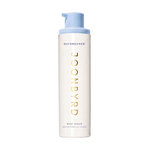
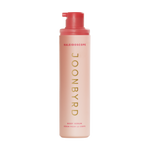
Little Love Nourishing Body Lotion combines 14 active and botanical ingredients and is clinically proven to hydrate for up to 48 hours.
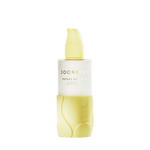
Sunday Sofa Rejuvenating Body Butter pairs shea butter and hyaluronic acid with rambutan leaf in a rich body treatment clinically proven to improve the appearance of skin firmness and elasticity.
The objective is not simply to moisturize dry skin temporarily, but to formulate body care around the biology and long-term needs of the skin below the chin.
Frequently Asked Questions
What Are Ceramides?
Ceramides are naturally occurring lipids found within the outermost layer of the skin.
Together with cholesterol and fatty acids, they form an important part of the skin barrier, helping retain moisture and protect the skin from external stressors.
What Do Ceramides Do for Skin?
Ceramides help support the structure and function of the skin barrier.
When the barrier is functioning effectively, it is better able to retain water and protect against external irritants. Ceramide-containing skincare can therefore be particularly useful for dry, sensitive or barrier-compromised skin.
Do Ceramides Really Work?
Ceramides are well established in dermatology and skincare as ingredients used to support skin barrier function.
The performance of any product, however, depends on the complete formulation rather than the presence or concentration of one ingredient alone.
Look for a well-formulated moisturizer that combines barrier-supporting lipids with humectants and emollients rather than choosing a product solely because “ceramide” appears prominently on the packaging.
Can You Use Ceramides Every Day?
Yes. Ceramides can generally be used daily and do not require a tolerance-building period.
For particularly dry areas such as the hands, arms or lower legs, a ceramide-containing moisturizer can be reapplied whenever the skin feels dry or after frequent washing.
Are Ceramides Better Than Hyaluronic Acid?
They perform different roles.
Hyaluronic acid is a humectant that helps attract and retain water within the skin, while ceramides are lipids that form part of the skin barrier.
Rather than thinking of one as better than the other, look for formulas that combine hydration with ingredients that support the skin barrier.
Can Ceramides Be Used With Retinol?
Yes. Ceramides can be used alongside retinoids and can be particularly helpful in supporting the skin barrier when using active ingredients that may cause dryness or irritation.
What Happens if Your Skin Lacks Ceramides?
Changes in the composition or quantity of skin barrier lipids can impair barrier function and increase transepidermal water loss.
Skin may consequently feel drier, rougher, tighter or more sensitive and reactive.
Are Ceramides Good for Eczema?
Ceramide-containing moisturizers can be useful as part of supportive skincare for eczema-prone skin, where barrier dysfunction is an important part of the condition.
They do not replace medical treatment. Persistent, worsening or infected eczema should be assessed by a healthcare professional.
The Joonbyrd Approach to Ceramides
Ceramides are not a skincare trend. They are part of the skin itself.
And their importance extends far beyond the face.
With around 96% of our skin below the chin, supporting the body’s skin barrier should be a fundamental part of a considered skincare routine.
At Joonbyrd, the approach goes beyond any single ingredient. Hydration, barrier function, exfoliation, microbiome support and targeted actives all play different roles in supporting healthier-looking body skin.