



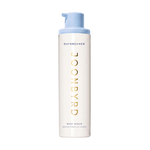
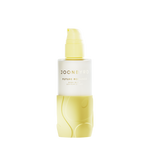
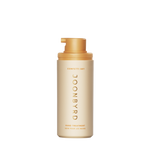
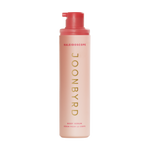
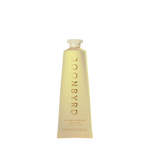
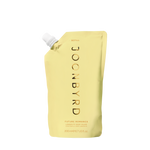

Peptides are short chains of amino acids, the building blocks of proteins such as collagen and elastin. In skincare, certain peptides can act as messengers, encouraging the skin to support its own structure. Used consistently, topical peptides can help improve the appearance of firmness and smoothness, with results that build gradually.
Peptides have become one of the most talked-about ingredients in facial skincare. Their role on the body, where firmness and texture change just as visibly, is discussed far less.
At Joonbyrd, peptides sit at the heart of our approach to firming body care. But beyond the buzzwords, what does the science really say about what they can and can’t do for your skin?
What Are Peptides?
Amino acids link together in chains - long chains form proteins. Shorter chains, typically of around two to fifty amino acids, are known as peptides.
Collagen, elastin and keratin are all proteins, and all are central to the structure of the skin.
When collagen breaks down, the resulting fragments are thought to act as signals that prompt the skin to produce more. Many cosmetic peptides are designed to mimic these signals.
Molecule size also matters. The outermost layer of the skin, the stratum corneum, acts as a barrier to most molecules, and larger molecules struggle to pass through it. This is why skincare peptides tend to be short.
Many are also attached to a fatty acid such as palmitic acid. The "palmitoyl" in an ingredient name, as in palmitoyl tripeptide-28, signals this modification, which can help a peptide move through the lipid-rich outer layer of the skin.
What Are the Different Types of Peptides?
Peptides are usually grouped by their mechanism of action. The evidence differs considerably from one group to the next.
|
Type |
Mechanism Of Action |
Common Examples |
Strength Of Evidence |
What To Expect |
|
Signal peptides |
Mimic the fragments released when collagen breaks down, encouraging fibroblasts to produce collagen and elastin |
Palmitoyl pentapeptide-4, palmitoyl tripeptide-1, palmitoyl tripeptide-28 |
The most studied group, with several controlled trials, most of them small |
A gradual improvement in the appearance of firmness and fine lines |
|
Carrier peptides |
Deliver trace elements such as copper, which enzymes involved in skin repair depend on |
Copper tripeptide-1 (GHK-Cu) |
A long research history, much of it in wound healing |
Support for skin renewal and the appearance of firmness |
|
Enzyme-inhibiting peptides |
Slow the enzymes that break down existing collagen |
Peptides derived from soy, rice and silk |
Early and limited |
A supporting role alongside other actives |
|
Neurotransmitter-inhibiting peptides |
Reduce the signals that trigger muscle contraction |
Acetyl hexapeptide-8 |
Modest, and mainly relevant to expression lines on the face |
Little relevance to body skin |
Fibroblasts are the cells within the dermis that produce collagen and elastin. Signal peptides are among the most widely used in formulations designed to support firmness, including those made for body skin.
Carrier peptides are best known through copper peptides. Tripeptide-1, the peptide that carries the copper, also appears in a palmitoylated form as a signal peptide. Read more about tripeptide-1.
What Does the Evidence Say About Peptides?
Peptides are an evidence-informed choice, but the strength of the evidence varies from one peptide to the next.
Several signal peptides, including palmitoyl pentapeptide-4, have been shown in controlled studies to improve the appearance of fine lines and skin texture over a period of weeks to months. Copper peptides have a longer research history, much of it in wound healing.
Much of the research to date is small in scale and focused on facial skin.
Results also depend on the complete formulation: the concentration of the peptide, how stable it is and whether it can reach the cells it is designed to signal.
This is why results are best judged on the finished product. Clinical testing of a complete formula on a panel of participants says more than the presence of a peptide on an ingredient list.
Peptides cannot reverse significant laxity, such as loose skin after substantial weight loss. The most realistic expectation is a gradual, visible improvement in firmness and smoothness with consistent use.
Peptides vs Retinoids vs Vitamin C
Peptides, retinoids and vitamin C are often compared because all three are associated with collagen. They work in different ways.
|
Ingredient |
How It Works |
Irritation Potential |
Particularly Useful For |
|
Peptides |
Signal the skin to support collagen and elastin, depending on the peptide |
Low |
Daily use, sensitive skin, and pairing with other actives |
|
Retinoids |
Increase cell turnover and stimulate collagen production; the most extensively studied topical for the visible signs of sun damage |
Moderate to high, particularly at first |
Texture, fine lines and photodamage, introduced gradually |
|
Vitamin C |
An antioxidant that also acts as a cofactor in collagen synthesis |
Low to moderate, depending on the form and strength |
Uneven tone and defense against environmental stress, usually in the morning |
Retinoids have the longest track record for collagen support, but they can cause dryness and irritation, particularly in the first weeks of use.
For those who find retinoids difficult to tolerate, bakuchiol is a plant-derived alternative with a gentler profile, although its evidence base is smaller. Rambutan leaf, found in Sunday Sofa Rejuvenating Body Butter, is another plant-derived retinol alternative.
Vitamin C supports collagen synthesis and helps defend the skin against free radical damage.
These ingredients can generally be used within the same routine. Most peptides pair comfortably with both. Many people use vitamin C in the morning and a retinoid in the evening, with peptides at either time.
One exception is often noted: copper peptides and vitamin C are commonly used at different times of day, as the two may interact.
Peptides for Body Skin
Body skin changes with age in much the same way as facial skin, yet it is often the last place a targeted treatment is applied.
Collagen and elastin production gradually slow from early adulthood. Cumulative sun exposure, hormonal changes including perimenopause and menopause, and rapid weight loss can all affect the structure of the skin. Read more about what happens to your skin as you age here.
On the body, these changes often appear first on the décolletage, upper arms, knees and stomach, where skin may begin to look crepey or less firm.
Body skin also varies in thickness and oil production from one area to the next, and it covers a far larger surface than the face.
A body serum is formulated with this in mind: a texture that spreads easily over larger areas, absorbs readily and can be used every day alongside a body lotion or butter.
At Joonbyrd, our approach is pro-aging: supporting healthy, resilient skin as it changes over time, an idea explored further in our guide to skin longevity.
How to Use Peptides
Peptides fit into the treat step of a body care routine, after cleansing and exfoliating and before moisturizing. For a complete routine, read our full body skin care routine.
1. Apply After Cleansing
Apply a peptide serum to clean skin, either straight after bathing or later in the day.
Massage the serum into the areas you would like to target, such as the upper arms, neck, stomach, thighs and décolletage.
2. Use Peptides Daily
Peptides work gradually, so consistency matters more than intensity. A daily application suits most skin types.
3. Follow With a Moisturizer
Finish with a body lotion or butter to help lock in hydration and support the skin barrier.
4. Give Peptides Time
Skin may feel smoother soon after application, but changes in firmness take longer. Expect to see initial results after several weeks of consistent use.
5. Protect With SPF
Daily broad-spectrum SPF on exposed skin helps protect the collagen that peptides are designed to support.
How Dr Alexis Formulated Daydreamer
Dr Alexis Granite created Joonbyrd after seeing, in clinic, that the concerns she treats on the face regularly appear on the body too.
Loss of firmness is among the concerns Joonbyrd customers raise most often.
Daydreamer Firming Body Serum was developed to bring targeted firming care to the body. The formula combines a biomimetic peptide and synthetic sapphire complex, built on palmitoyl tripeptide-28, with green coffee oil and paracress extract in a serum designed to support firmer, smoother-looking skin.
In clinical testing, Daydreamer was shown to stimulate collagen and elastin production and deliver visible skin firming within six weeks.
Dr Alexis Granite is a dual UK and US board-certified dermatologist with nearly two decades of clinical experience and the founder of Joonbyrd. Read more about her story.
Peptides in Joonbyrd Formulations
Daydreamer Firming Body Serum is our targeted firming treatment for the body, combining its biomimetic peptide complex with green coffee oil, paracress and adaptogenic Songyi mushroom.
Efficacy is only part of the Joonbyrd philosophy. Daydreamer's gel-to-oil formula melts into the skin on contact, with notes of cashmere musk, amber, jasmine and caramel designed to evoke the softness of your favorite cashmere sweater.
For hands, Confetti Sky Multitasking Hand Treatment pairs a firming tripeptide blend with licorice root and vitamin E microspheres. Confetti Sky is clinically proven to boost skin firmness, elasticity and smoothness.
Future Romance Longevity Body Glaze uses plant biopeptides designed to mimic the effects of fasting on cellular longevity, alongside grape flower exosomes and resveratrol, for a deep, glossy radiance.
Frequently Asked Questions
What Do Peptides Do for Skin?
Peptides are short chains of amino acids that can act as signals within the skin.
Depending on the type, peptides can help support collagen and elastin, deliver trace elements involved in skin repair, or slow the breakdown of existing collagen. The result is a gradual improvement in the appearance of firmness and smoothness.
Do Peptide Serums Actually Work?
Some peptides, particularly signal peptides such as palmitoyl pentapeptide-4, have been shown in controlled studies to improve the appearance of fine lines and firmness.
Results depend on the peptide, its concentration and the overall formulation, so look for products that have been clinically tested as a finished formula.
Can You Use Peptides With Retinol?
Yes. Peptides are generally well tolerated and can be used alongside retinoids, including retinol.
Because retinoids can cause dryness and irritation when first introduced, a gentle peptide serum and a supportive moisturizer can be useful companions in the same routine.
Can You Use Peptides With Vitamin C?
Yes. Most peptides can be used in the same routine as vitamin C.
Copper peptides are the exception most often noted, as the two may interact, so many people use vitamin C in the morning and copper peptides in the evening.
How Long Do Peptides Take to Work?
Peptides work gradually. Skin may feel smoother and more hydrated soon after application, but changes in firmness take longer and depend on consistent daily use.
Daydreamer Firming Body Serum, for example, was clinically tested over six weeks.
Are Peptides Better Than Retinol?
Peptides and retinoids do different jobs.
Retinoids have the most extensive evidence for treating the visible signs of sun damage, but they can be irritating. Peptides are gentler and well suited to daily use, and many people use both within one routine.
What Are Copper Peptides?
Copper peptides are carrier peptides that deliver copper, a trace element the skin uses in repair and renewal.
The best-known form, copper tripeptide-1 (GHK-Cu), has been studied for its role in wound healing and in supporting firmer, smoother-looking skin.


