



Crepey skin is thin, finely lined with a texture that resembles crepe paper. Crepey skin develops as collagen and elastin decline, most often because of cumulative sun exposure and aging, and can look more pronounced after rapid weight change or when skin is dry. Consistent care can improve the look of crepey skin, but topical products cannot fully reverse significant thinning or laxity.
Crepey skin is common across the body, particularly on the upper arms, knees and décolletage, and its texture can be improved with a combination of daily sun protection, hydration and targeted actives.
At Joonbyrd, our approach brings the same science used on the face to the skin below the chin. But what causes crepey skin, and what can realistically help?
What Is Crepey Skin?
Crepey skin looks thin and finely creased, and may gather into small folds when gently pushed together.
Crepey skin is often confused with wrinkles and laxity, but the three are different:
-
Crepey skin is a thinning of the skin itself, with fine lines across the surface, linked to the loss of collagen and elastin, and often more visible when skin is dry
-
Wrinkles are deeper creases, many forming along lines of repeated movement, such as expression lines on the face
-
Laxity is loose or sagging skin, where the skin and the structures beneath it have lost support
Knowing which of the three you are seeing helps you choose the right care.
What Causes Crepey Skin?
Crepey skin usually develops from several factors working together.
Sun Exposure
Cumulative UV exposure is one of the largest and most preventable causes of crepey skin.
UVA rays reach the dermis, where they contribute to the breakdown of collagen and damage to elastin fibers, a process known as photoaging. UVB rays mainly affect the surface of the skin and cause sunburn, adding to the damage over time.
Collagen and Elastin Decline
Collagen and elastin production slows gradually from early adulthood, and more quickly after menopause. Skin becomes thinner and less able to spring back.
Read more in our guide to how to stimulate collagen production.
Rapid Weight Change
Weight loss, including weight loss with GLP-1 medications, can make crepey texture more noticeable, as stretched skin may not fully retract, particularly after significant or rapid loss.
Dryness and Dehydration
Skin that is dry or dehydrated shows fine lines more readily, so crepey texture often looks more pronounced. Consistent hydration and barrier support can noticeably soften its appearance. Read more about why skin can stay dry, even when you moisturize.
Other Factors
Smoking and long-term use of strong topical steroids, particularly without medical supervision, can also contribute to thinner skin. If you use a prescribed steroid cream, speak to your doctor or dermatologist before making any changes.
Crepey Skin on Arms
The upper arms are one of the most common places for crepey skin to appear.
The skin on the inner arms is relatively thin, while the outer arms receive years of sun exposure, often without the SPF applied to the face. The upper arms can also be affected by weight change.
Caring for crepey skin on the arms combines three steps: a firming serum to support collagen, daily hydration to smooth the surface, and sun protection whenever the arms are exposed.
Crepey Skin on Legs, Knees, Neck and Décolletage
Legs
Crepey skin on the legs often appears on the thighs and just above the knees. The lower legs have relatively few sebaceous glands and can be particularly dry, so consistent moisturizing matters here.
Knees
The skin around the knees is thin and constantly flexed, so crepiness may be more noticeable when standing. Daily hydration and a firming serum can help improve the look of the skin.
Neck
The skin on the neck is thin, constantly in motion and often left out of both facial and body care routines. Extend your routine down to the neck, and include the neck in daily SPF.
Décolletage
The décolletage receives a great deal of incidental sun exposure, and the skin here is thin. Crepey texture and fine lines often appear on the décolletage before elsewhere on the body.
Read more about why the décolletage ages before the rest of you.
What Helps Crepey Skin?
Improving crepey skin usually involves several approaches used together.
Hydration and Barrier Support
Well-hydrated skin looks smoother and plumper. Look for humectants such as hyaluronic acid and glycerin, alongside emollients and occlusives that help retain moisture.
Urea and lactic acid both hydrate and gently exfoliate, making them particularly useful for dry, crepey skin.
Retinoids
Retinoids can increase collagen production and improve the texture of sun-damaged skin over several months. Introduce retinoids gradually, as they can cause dryness, and use them alongside a rich moisturizer. Retinoids are not recommended during pregnancy.
Peptides
Signal peptides are thought to encourage the skin to produce collagen and elastin, and are well suited to daily use on the body. Read more about what peptides do for your skin.
Gentle Exfoliation
Gentle exfoliation can help remove dull surface cells and improve texture. Crepey skin is often thin and delicate, however, so once or twice a week is a sensible starting point, and harsh scrubbing is best avoided.
Daily SPF
Broad-spectrum SPF on exposed skin helps prevent further collagen breakdown, supporting everything else in your routine.
How Long Does It Take to See a Difference?
How quickly crepey skin improves depends on the approach.
Hydration can make crepey skin look smoother relatively quickly, as the surface of the skin plumps with water.
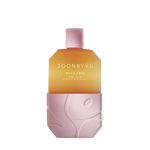
Collagen-supporting actives work more slowly. In clinical testing, Daydreamer Firming Body Serum was shown to deliver visible skin firming within six weeks, and retinoids typically take several months to improve texture.
Topical care cannot remove excess skin or fully reverse significant laxity, such as after substantial weight loss. Where crepey skin is accompanied by significant laxity, in-clinic treatments that work deeper in the skin, such as radiofrequency microneedling or biostimulators, can be discussed with a dermatologist.
What Dr Alexis Recommends
Crepey texture looks most pronounced on dry skin. Dr Alexis recommends a warm, shorter shower followed by body care applied while the skin is still slightly damp, as very hot water can strip the skin of natural lipids and make dryness worse.
On exposed areas, including the chest, shoulders, arms and hands, she recommends daily broad-spectrum SPF to help protect the collagen the skin already has.
Body skin responds best when it is cared for regularly and gently, and results build with consistent use.
Dr Alexis Granite is a dual UK and US board-certified dermatologist with nearly two decades of clinical experience and the founder of Joonbyrd. Read more about her story.
Joonbyrd Body Care for Crepey Skin
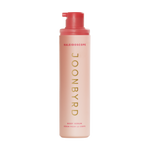
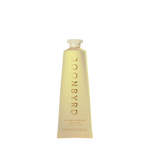
Daydreamer Firming Body Serum combines a biomimetic peptide complex with green coffee oil and paracress extract in a gel-to-oil formula. Daydreamer is clinically proven to improve the appearance of crepey skin, cellulite and stretch marks.
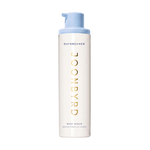
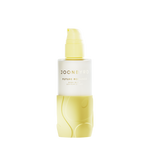
For daily hydration, Future Romance Longevity Body Glaze combines grape flower exosomes, resveratrol and plant biopeptides with maize kernel sugar in a lightweight, deeply nourishing glaze that leaves a glossy finish. Used together daily with Big Time Longevity Body Wash, the pair is clinically proven to improve skin barrier function and reduce the appearance of fine lines and wrinkles.
And because how body care feels matters too, Big Time and Future Romance share a decadent banana woods scent, with notes of creamy banana, peach and cacao, turning a daily routine into something more sensorial.
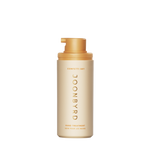
For very dry areas, Sunday Sofa Rejuvenating Body Butter pairs shea butter and hyaluronic acid with rambutan leaf, a natural retinol alternative, in a rich body butter clinically proven to improve the appearance of skin firmness and elasticity.
Discover our crepey skin routine and firming body care.
Frequently Asked Questions
What Is the Main Cause of Crepey Skin?
Crepey skin is caused by the loss of collagen and elastin, most often from cumulative sun exposure and aging.
Rapid weight loss, smoking and long-term use of strong topical steroids can also contribute, and dry skin makes crepey texture look more pronounced.
Can You Get Rid of Crepey Skin?
Crepey skin can't usually be reversed completely, but its appearance can be improved. Consistent hydration, collagen-supporting actives such as peptides and retinoids, and daily SPF can improve the look of crepey skin over time.
Topical care cannot fully reverse significant thinning or laxity. In those cases, in-clinic treatment may be worth discussing with a dermatologist.
Is Crepey Skin the Same as Wrinkles?
Not quite. Wrinkles are deeper creases, many forming along lines of repeated movement.
Crepey skin is a thinning of the skin, with fine lines across the surface, linked to collagen and elastin loss and often more visible when skin is dry.
What Helps Crepey Skin on Arms?
A firming serum with peptides, a rich moisturizer applied after bathing and daily SPF when the arms are exposed can all help.
The upper arms are often affected by sun exposure and weight change, so consistent care matters here.
Does Body Lotion Help Crepey Skin?
Body lotion can make crepey skin look smoother by hydrating the surface, and the effect can be noticeable quickly.
For longer-term improvement, pair a moisturizer with collagen-supporting actives such as peptides or retinoids.
Does Weight Loss Cause Crepey Skin?
Rapid or significant weight loss, including weight loss with GLP-1 medications, can make crepey skin more noticeable.
Stretched skin may not fully retract, particularly after significant or rapid loss, leaving it looking looser and more finely lined.
What Ingredients Help Crepey Skin?
Retinoids and peptides can support collagen production, while humectants such as hyaluronic acid, glycerin and urea help hydrate the skin.
Rich emollients and occlusives help retain moisture, and daily SPF protects against further collagen breakdown.


