




Collagen is the protein that gives skin its strength and structure. Collagen applied to the skin does not become part of the skin's own collagen, as the molecule is too large to penetrate.
The production of collagen can, however, be supported with topical actives such as retinoids, peptides and vitamin C, alongside a nutrient-rich diet, while daily sun protection helps preserve the collagen skin already has.
Collagen loss is one of the concerns Joonbyrd customers raise most often. So what helps skin make more of it, and what does the science support?
Supporting the skin's own collagen is central to how we formulate firming body care at Joonbyrd, bringing the same science long given to the face to the 96% of skin below the chin.
What Is Collagen, and What Happens to It?
Collagen is the most abundant protein in the body. In the skin, collagen forms a dense network within the dermis, the layer beneath the surface, giving skin its strength and firmness. Alongside it, elastin allows skin to stretch and spring back.
Collagen and elastin are produced by fibroblasts, specialized cells within the dermis. The skin contains several types of collagen: type I, the most abundant, provides strength, while type III is associated with the skin's flexibility.
Two things happen as skin ages. Fibroblasts gradually produce less collagen from early adulthood, and the collagen already in the skin breaks down more quickly.
Much of that breakdown is driven by enzymes called matrix metalloproteinases, or MMPs, which increase with sun exposure and inflammation. A second process, glycation, occurs when sugars bind to collagen fibers, making them stiffer and less easily renewed.
Hormonal changes also play a part. Skin collagen declines particularly quickly in the years after menopause, as estrogen levels fall.
The visible result can be skin that looks thinner, less firm and more finely lined, on the body as well as the face.
Which Topical Ingredients Help Stimulate Collagen?
Collagen applied to the skin sits on the surface, where it can help skin feel hydrated and smooth. Collagen production itself is supported by ingredients that signal to the skin or supply what it needs to make collagen.
Retinoids
Retinoids are among the most studied ingredients for collagen. Prescription tretinoin has the most extensive evidence for increasing collagen production and improving the visible signs of sun damage, while cosmetic retinol and retinal have a smaller but supportive evidence base.
Retinoids can cause dryness and irritation at first, so introduce them gradually. Retinoids are not recommended during pregnancy.
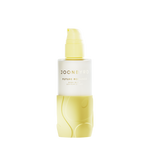
If your skin finds retinoids difficult to tolerate, bakuchiol is a plant-derived alternative with a gentler profile, although its evidence base is smaller. Rambutan leaf, found in Sunday Sofa Rejuvenating Body Butter, is another plant-derived retinol alternative.
Peptides
Signal peptides are thought to mimic the fragments released when collagen breaks down, encouraging fibroblasts to produce more collagen and elastin. Peptides are generally well tolerated and suit daily use on larger areas of the body.
Read more in our guide to what peptides do for your skin.
Vitamin C
Vitamin C is essential for collagen synthesis, acting as a cofactor for the enzymes that stabilize the structure of newly formed collagen. Topical vitamin C also acts as an antioxidant, helping defend the skin against the free radical damage caused by UV exposure.
How to Protect the Collagen You Have
Daily broad-spectrum SPF is one of the most effective ways to protect the collagen skin already has.
UVA rays penetrate deep into the dermis, where they are a major driver of collagen breakdown. UVA reaches the skin on cloudy days and passes through window glass, so protection matters all year round.
Do Collagen Supplements Work?
Collagen supplements usually contain hydrolyzed collagen peptides: collagen broken down into smaller fragments that the body can absorb.
Several randomized controlled trials have reported improvements in skin hydration and elasticity after around eight to twelve weeks of daily use. Many of these studies are small, and results vary between products and doses.
Collagen is digested like other proteins, but some research suggests that certain collagen-derived peptides reach the bloodstream and may act as signals to fibroblasts.
Collagen supplements can be a useful addition alongside topical care and daily sun protection.
Which Foods Support Collagen?
The skin needs a steady supply of nutrients to make collagen. Diet supports collagen production alongside topical care, and some of the most useful nutrients include:
- Vitamin C, found in citrus fruit, berries, kiwi, peppers and leafy greens
- Protein, which provides the amino acids glycine and proline, from fish, poultry, eggs, dairy, legumes and tofu
- Zinc, found in shellfish, nuts, seeds and whole grains
- Copper, found in nuts, seeds and legumes
- Vitamin A, found in eggs and oily fish, and as beta-carotene in orange vegetables such as carrots and sweet potatoes
What Damages Collagen?
Several everyday factors can speed up collagen breakdown:
- Unprotected sun exposure, the main external cause of collagen breakdown
- Smoking, which reduces blood flow to the skin and increases collagen-degrading enzymes
- Diets high in sugar, which can accelerate glycation
- Poor sleep and ongoing stress, which can affect the skin's ability to repair. Read more about how sleep affects the skin
Collagen and Body Skin
Collagen loss is usually discussed in terms of the face, yet body skin goes through the same changes.
The décolletage, upper arms, knees and stomach are often where body skin first begins to look thinner or less firm. The décolletage receives years of incidental sun exposure, while the skin on the inner arms and around the knees is relatively thin.
These areas are also frequently the last to receive targeted care. A body serum with collagen-supporting actives, applied daily, brings the same principles used on the face to the skin below the chin.
At Joonbyrd, our approach is pro-aging: supporting the structure and resilience of skin as it changes over time. Read more in our guide to skin longevity.
Topical care also has limits. Where significant laxity is the concern, in-clinic treatments that work deeper in the skin to encourage new collagen, such as biostimulators and radiofrequency microneedling, can be discussed with a dermatologist.
What Dr Alexis Recommends
Sun protection shouldn't stop at the face. Dr Alexis recommends daily broad-spectrum SPF on exposed body skin, including the chest, shoulders, arms and hands, to help protect the collagen skin already has.
Consistency matters more than intensity. Collagen-supporting actives such as peptides and retinoids build their results gradually, so they are best used daily, over several months.
Dr Alexis Granite is a dual UK and US board-certified dermatologist with nearly two decades of clinical experience and the founder of Joonbyrd. Read more about her story.
Pro-Aging Body Care From Joonbyrd
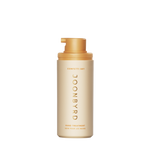
Daydreamer Firming Body Serum combines a biomimetic peptide complex with green coffee oil and paracress extract. In clinical testing, Daydreamer was shown to stimulate collagen and elastin production and deliver visible skin firming within six weeks.
And because efficacy is only one part of the Joonbyrd philosophy, Daydreamer's gel-to-oil formula melts into the skin with notes of cashmere musk, amber, jasmine and caramel, designed to evoke the softness of a favorite cashmere sweater.
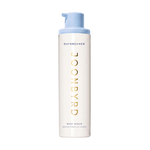
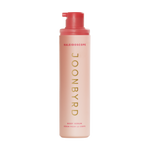
To cleanse and hydrate, Big Time Longevity Body Wash and Future Romance Longevity Body Glaze bring plant-derived exosomes, NAD+ sunflower sprouts, resveratrol and plant biopeptides to your daily routine. Used together daily, Big Time and Future Romance are clinically proven to improve skin barrier function and reduce the appearance of fine lines and wrinkles.
Discover our pro-aging and longevity body care.
Frequently Asked Questions
How Do You Stimulate Collagen Production?
Collagen production can be supported with topical actives such as retinoids, peptides and vitamin C, which signal to or support the cells that make collagen.
Protecting existing collagen with daily SPF is just as important, and a diet rich in vitamin C and protein supports the process from within.
Are Collagen Supplements Worth Taking?
Several randomized controlled trials suggest hydrolyzed collagen supplements can improve skin hydration and elasticity over several weeks of daily use.
Many studies are small and results vary between products, and supplements work best alongside topical care and daily sun protection.
What Destroys Collagen?
Unprotected sun exposure is the main external cause of collagen breakdown.
Smoking, diets high in sugar, poor sleep and ongoing stress can also contribute, alongside the natural slowing of collagen production with age.
At What Age Does Collagen Start Declining?
Collagen production begins to slow gradually from early adulthood, often from the mid-twenties.
The decline accelerates in the years following menopause, as estrogen levels fall.
Can You Rebuild Lost Collagen?
Collagen production can be stimulated. Retinoids have been shown to increase new collagen over time, and some peptides have been shown in studies to improve the appearance of firmness.
Results are gradual, and topical care cannot fully restore significant collagen loss or laxity.
Does Retinol Increase Collagen?
Retinoids can increase collagen production and improve the visible signs of sun damage. Prescription tretinoin has the strongest evidence, while retinol has a smaller but supportive evidence base.
Introduce retinoids gradually, as they can cause dryness and irritation at first.
What Foods Boost Collagen?
An adequate intake of vitamin C and protein gives the skin what it needs to make collagen. Citrus fruit, berries and peppers provide vitamin C, while fish, eggs, legumes and dairy provide the amino acids collagen is built from.
Zinc and copper, found in nuts, seeds and shellfish, also play a role.


