



When skin stays dry despite regular moisturizing, there are usually three explanations: the moisturizer does not suit the skin's needs, the skin barrier is compromised and losing water faster than it can be replaced, or an underlying skin condition is involved.
Dryness is one of the most common concerns below the chin. The lower legs, arms and feet produce far less oil than the face, and body skin is regularly exposed to hot water, shaving and friction from clothing.
Dry or Dehydrated? They Need Different Things
Dry skin lacks oil, or lipids. Dehydrated skin lacks water. Dryness tends to be a longer-term skin type, while dehydration is a temporary state that any skin type can experience.
The distinction matters because the solutions differ. Humectants such as glycerin and hyaluronic acid draw water into the skin, while emollient and occlusive ingredients replace lipids and help slow water loss.
Many people experience both at once. For an in-depth review, read The Difference Between Dry and Dehydrated Skin, and How to Tell, or Is My Skin Dry or Dehydrated?
When the Moisturizer Is the Problem
Even a well-formulated moisturizer can fall short if the formula does not suit the skin or is applied at the wrong moment.
The Wrong Formula for the Skin
Moisturizers combine three types of ingredients. Humectants attract water. Emollients soften and smooth. Occlusives form a protective film that helps slow water loss.
A lightweight, humectant-rich lotion may be enough for normal skin, but very dry skin often needs a richer formula with more emollients and occlusives. In very dry conditions, a humectant without an occlusive layer may not hold water in the skin for long.
Texture is a useful guide. Lotions are lighter, while body butters contain more lipids.
Applying Moisturizer to Dry Skin
Moisturizer works best when applied within a few minutes of bathing, while the skin is still slightly damp. This helps hold in the water already present at the surface of the skin.
Using Too Little
Body skin covers a large surface, and a thin layer may not be enough for very dry areas. Apply generously, and reapply to particularly dry areas such as the shins whenever they feel tight.
Irritants in the Routine
Skin with a compromised barrier can react to ingredients it would normally tolerate, including high-strength exfoliating acids and alcohol-heavy formulas. If a product stings, simplify the routine until the skin has settled.
When the Skin Barrier Is the Problem
The skin barrier sits within the outermost layer of the skin, the stratum corneum. Lipids including ceramides, cholesterol and fatty acids hold the skin cells together and help keep water in.
When the barrier is disrupted, water escapes more readily, a process known as transepidermal water loss, or TEWL. Moisturizer alone may then struggle to keep skin comfortable.
Common Causes of Barrier Disruption
Some of the most common causes of barrier disruption on the body include:
-
Long, hot showers, which can strip the skin of natural lipids
-
Cleansers that leave skin feeling tight or "squeaky clean"
-
Frequent scrubbing or exfoliating acids
-
Cold weather and central heating, which lower humidity
-
Frequent washing, particularly of the hands
Is It Dryness or a Compromised Barrier?
Simple dryness tends to improve quickly once a suitable moisturizer is applied consistently.
A compromised barrier may also cause stinging when applying otherwise gentle products, redness, increased sensitivity, or tightness that returns soon after moisturizing.
If this sounds familiar, pause exfoliating actives and focus on gentle cleansing and hydration until the skin has settled. Read more about how to assess and support your skin barrier.
Dry Skin on Legs, Arms and Feet
Dryness is rarely spread evenly across the body.
What Causes Dry Skin on Legs?
The lower legs have relatively few sebaceous glands, so they produce less of the skin's natural oil. Shaving can remove surface lipids, while friction from clothing and exposure to hot water add to the effect.
Dry, flaky shins are particularly common in winter. Moisturize the legs straight after bathing, choose a richer body butter for the shins, and avoid shaving on dry skin. For seasonal care, read our guide to winter skincare for legs.
Dry Skin on Arms
The arms are frequently exposed to sun and weather. Dryness on the upper arms often appears alongside small, rough bumps, which may be keratosis pilaris, covered below.
Consistent moisturizing after bathing can help keep the skin on the arms comfortable.
Dry Skin on Feet
The soles of the feet have no sebaceous glands, and the skin on the heels is thick and under constant pressure. Without regular care, heels can become rough and may crack.
Moisturizers containing urea can be particularly useful here, as urea both hydrates the skin and helps soften thickened skin. Applying a rich moisturizer before bed can also help.
When Dry Skin Is a Skin Condition
Persistent dryness is sometimes a sign of an underlying skin condition.
Xerosis
Xerosis is the medical term for very dry skin. Xerosis becomes more common with age, as the skin produces fewer lipids and its barrier function changes, and is particularly common on the lower legs.
Eczema-Prone Skin
Atopic dermatitis, the most common form of eczema, involves an impaired skin barrier, so dryness is often accompanied by itching, redness and inflamed patches.
Emollients are central to caring for eczema-prone skin, alongside any treatment recommended by a dermatologist.
Keratosis Pilaris
Small, rough bumps on the upper arms and thighs are often keratosis pilaris, which is frequently associated with dry skin. Gentle exfoliation and consistent hydration can help improve the appearance of keratosis pilaris over time.
Other Causes
Dryness can also be linked to conditions such as an underactive thyroid or diabetes, and to some medications, including retinoids and certain diuretics.
When to See a Dermatologist
Persistent dryness that does not improve with consistent care is worth having assessed.
See a dermatologist or doctor if dry skin is accompanied by itching that disturbs sleep, cracking or bleeding, signs of infection or a spreading rash.
What to Change This Week
A few small changes can make a noticeable difference to dry skin.
1. Moisturize Damp Skin
Apply a body lotion or butter within a few minutes of bathing, while the skin is still slightly damp.
2. Add a Richer Layer
For very dry areas, use a body butter, either on its own or over a lighter lotion.
3. Simplify Your Routine
If skin stings or feels tight, pause exfoliating acids and scrubs until the skin has settled, then reintroduce them gradually.
4. Be Consistent
Follow the routine every day for a few weeks before judging the result. If dryness persists, look for an underlying cause.
What Dr Alexis Recommends
One of the simplest changes Dr Alexis recommends is also one of the most overlooked: turn down the temperature of the shower.
Very hot water can strip the skin of natural lipids and make dryness worse.
Keep showers warm rather than very hot, and a little shorter, then apply body care while the skin is still slightly damp. Together, these two habits can make a significant difference to the way skin looks and feels.
Dr Alexis Granite is a dual UK and US board-certified dermatologist with nearly two decades of clinical experience and the founder of Joonbyrd. Read more about her story.
Joonbyrd Body Care for Dry Skin
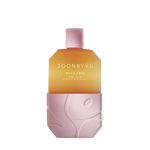
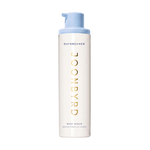
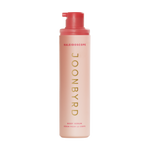
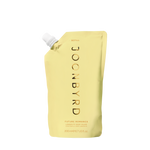
Start with a cleanser that respects the skin barrier. Moon Swim Hydrating Body Wash combines hyaluronic acid, prebiotic inulin, vitamin E and adaptogenic ashwagandha in a sulfate-free, gel-to-foam formula designed to cleanse without stripping.
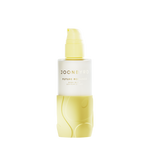
For daily hydration, Little Love Nourishing Body Lotion combines 14 active and botanical ingredients, including niacinamide and beta-carotene, in a lightweight lotion clinically proven to hydrate for up to 48 hours.
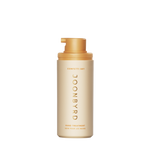
For very dry skin, Sunday Sofa Rejuvenating Body Butter pairs shea butter and hyaluronic acid with rambutan leaf in a rich, whipped body butter.
And because how body care feels matters too, Sunday Sofa is enveloped in notes of creamy chocolate, white lily and cardamom, turning the final step of the routine into a moment of comfort.
For rough, bumpy texture alongside dryness, Kaleidoscope Smoothing Body Serum combines shikimic and azelaic acids with urea and blueberry seed oil. In clinical testing, Kaleidoscope was shown to improve the appearance of keratosis pilaris and reduce transepidermal water loss within six weeks.
Discover our full dry skin edit.
Frequently Asked Questions
Why Is My Skin Still Dry After Moisturizing?
The most common reasons are a moisturizer that is too light for the skin's needs, application to dry rather than damp skin, or a compromised skin barrier that loses water quickly.
Persistent dryness can also be linked to skin conditions such as xerosis or eczema.
What Is the Difference Between Dry and Dehydrated Skin?
Dry skin lacks oil, or lipids, while dehydrated skin lacks water.
Dry skin benefits from emollients and occlusives that replace lipids, while dehydrated skin benefits from humectants such as glycerin and hyaluronic acid. Many people experience both at once.
How Often Should You Moisturize Your Body?
Moisturize at least once a day, ideally after bathing while the skin is still slightly damp. Very dry areas, such as the shins and heels, may benefit from a second application, and hands may need moisturizing after each wash.
Does Drinking Water Help Dry Skin?
Staying hydrated supports overall health, but for most people drinking more water has a limited effect on dry skin.
Skin dryness is largely determined by the skin barrier and its lipids, so topical care is usually more effective.
Why Are My Legs So Dry?
The lower legs have fewer sebaceous glands than many other areas, so they produce less natural oil.
Hot water, shaving, friction from clothing and cold weather can all add to the dryness. A richer moisturizer applied after bathing can help.
Is It Better to Moisturize Damp Skin?
Yes. Applying moisturizer within a few minutes of bathing, while the skin is still slightly damp, helps hold in the water already present at the surface of the skin and can make moisturizers more effective.
When Should Dry Skin Be Looked At?
Dry skin that does not improve after a few weeks of consistent care should be assessed by a dermatologist or doctor.
Seek advice sooner if dryness comes with intense itching, cracking or bleeding, signs of infection or a spreading rash.


